
Room Additions Los Angeles
Basement Conversions in Los Angeles
Basements are less common in Los Angeles than in older East Coast cities, but plenty of hillside homes in Glendale, Pasadena and the Hollywood Hills have one, often a partial basement or a tall crawl space that has been used for storage since the house was built. Converting that into living area is among the best value per square foot available, when the conditions cooperate.
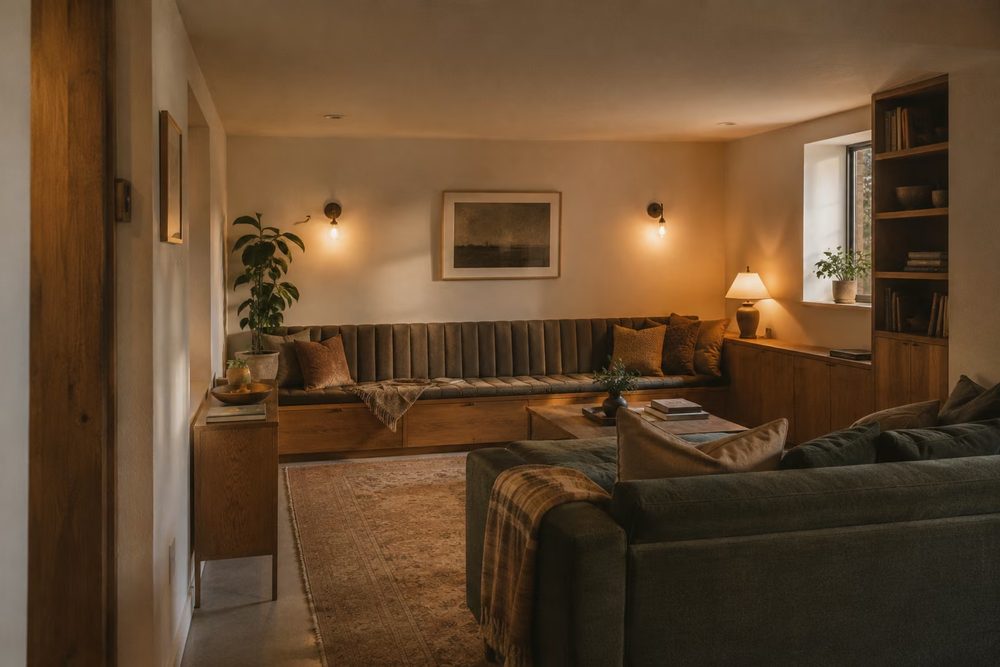
Three things decide whether it's feasible
Headroom. Habitable space requires a minimum ceiling height, and many older basements fall short. Gaining height means either underpinning the foundation and lowering the floor, an expensive engineered fix, or accepting that the space stays non-habitable storage. We measure this first because it determines whether there's a project at all.
Moisture. Any below-grade space in a hillside neighborhood needs to be assessed for water intrusion before a dollar is spent on finishes. That means checking grading, drainage, and any existing signs of intrusion, and building the solution, whether that is exterior drainage, interior drain and sump, or a vapor barrier, into the plan rather than hoping. Finishing a wet basement produces mold, not a family room.
Egress. Any basement bedroom needs an emergency escape opening of a specific minimum size with a sill within a maximum height of the floor. Below grade, that typically means excavating a window well. It's a real cost and a real code requirement, and a basement 'bedroom' without it is not a bedroom.
Also worth planning for
- Where the existing plumbing and ducting cross the ceiling, which affects headroom locally
- Sewer line elevation. A basement bathroom below the main line needs an ejector pump
- Natural light, which is the difference between a family room and a bunker
- Sound transmission from the floor above, best solved during framing
- Radon and soil gas mitigation where local conditions warrant testing
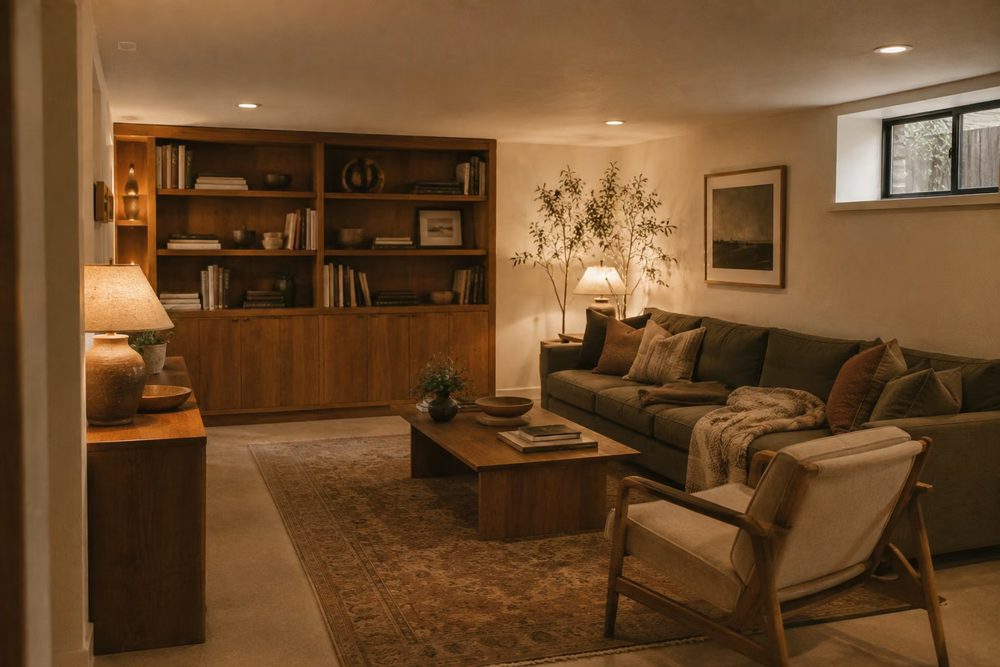
What it's good for
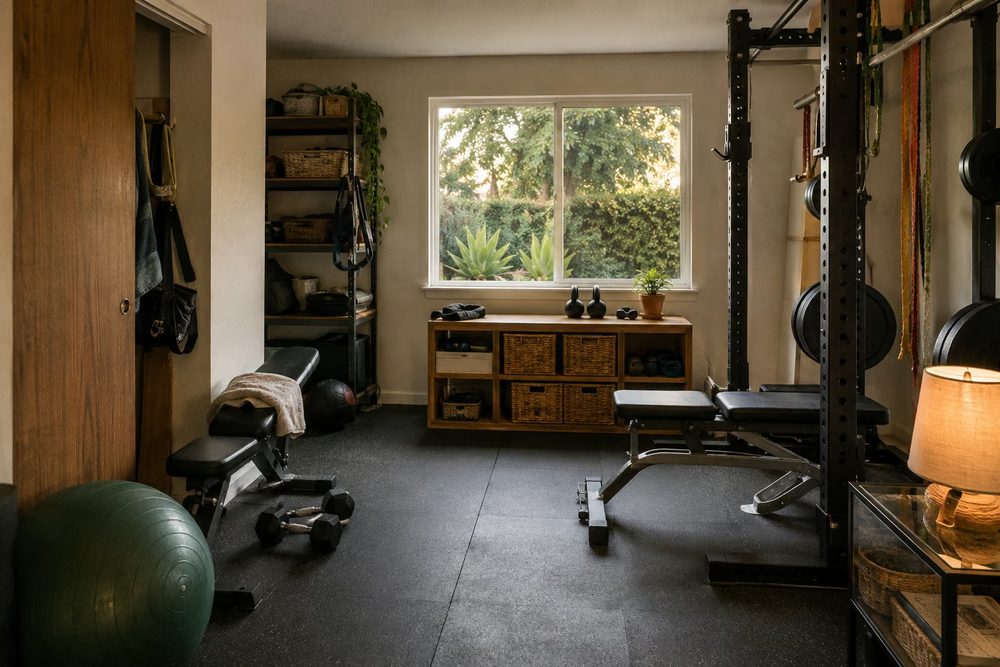
Basements make excellent media rooms, gyms, workshops, wine storage, and guest quarters: uses where the natural cool and the acoustic isolation are advantages rather than compromises. They make less compelling primary bedrooms or home offices where daylight matters to you every day.
We'll tell you which category your space falls into after seeing it. Some basements should stay storage, and that's a legitimate answer.
Budget
Basement conversion cost drivers
Every estimate we write is specific to your house. These are the variables that move the number most, so you can see where a bid is coming from rather than taking a single figure on faith.
| Factor | Why it matters |
|---|---|
| Ceiling height as-is | Underpinning to gain headroom is the largest possible line item by far |
| Moisture conditions | From a simple vapor barrier to full exterior drainage and a sump system |
| Egress window wells | Excavation, structural opening in the foundation, well and cover |
| Bathroom | An ejector pump is needed where the drain sits below the sewer line |
| HVAC extension | Below-grade spaces often need dedicated conditioning and dehumidification |
| Access stair | Existing stairs frequently don't meet current rise, run and headroom requirements |
Straight answers
Common questions
Do Los Angeles homes even have basements?
Fewer than in colder climates, but they're not rare, particularly in hillside construction where the foundation steps down the slope, and in pre-war homes in Pasadena, Glendale and the older Hollywood neighborhoods. Many 'crawl spaces' in these homes are taller than owners realize.
Can I dig out a basement under my existing house?
It's technically possible through underpinning and excavation, and it's one of the most expensive and structurally involved projects in residential construction. In most cases the same budget produces more usable space as a conventional addition. We'll price it if you want the comparison, but we'll usually recommend the addition.
How do I know if my basement has a moisture problem?
Efflorescence (the white mineral crust on the concrete), staining at the base of walls, a persistent musty smell, or rust at the base of anything metal. Absence of visible signs during a dry spell isn't proof; we look at exterior grading and drainage as well, since that's where most intrusion originates.
Does finished basement space count toward the home's square footage?
Appraisal practice generally treats below-grade finished area differently from above-grade living area, and it typically contributes less per square foot even when fully permitted and finished. It's still valuable space, just don't expect it to appraise identically to an above-grade addition.
Across Los Angeles County
Where we build basement conversions
Every city sets its own setbacks, height limits and plan check queue, and the difference between two of them can be months. Each page below covers what that community actually allows.
- Room additions in Pasadena
- Room additions in Glendale
- Room additions in Burbank
- Room additions in Beverly Hills
- Room additions in West Hollywood
- Room additions in Hollywood Hills
- Room additions in Sherman Oaks
- Room additions in Studio City
- Room additions in North Hollywood
- Room additions in Woodland Hills
- Room additions in Northridge
- Room additions in Reseda
- Room additions in Santa Clarita
- Room additions in Thousand Oaks
Related work
Other additions we build
Get an estimate for this project
Send us the shape of it and we'll call you back, usually the same day. You will talk to someone who builds these, not a scheduler.
Ready to talk about your addition?
Tell us what you are picturing and we will tell you what it takes to build it, what your city will allow, and where the money actually goes.